
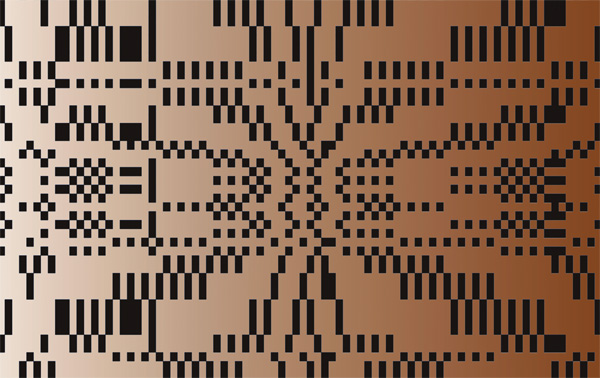
Shape Shifters consists of two generative algorithms and a series of handwoven textiles. The first algorithm is a sequence of four short erasure poems, arranged in the silhouette of moths. Each text unfolds as a brief moth-tale, gradually consumed word by word, shifting into a new pattern every time. The second algorithm draws upon historical weaving patterns reminiscent of moths and butterflies...
September 2021
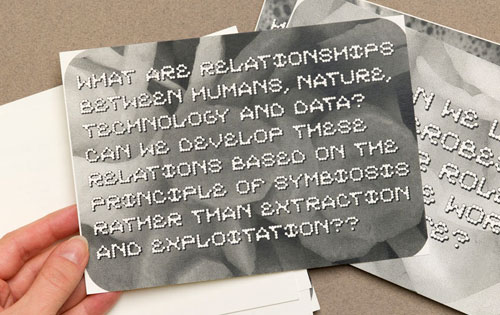
Fermenting Data: Aarhus 8000–8220 is a speculation on how data practices could be different. Rather than staying within the dominant data processing models based on capture, extraction and surveillance, the project takes inspiration from symbiotic microbes, plants, and human cultures related to food processing and preservation, to intervene and invent Fermenting Data practices. ...
March 2021
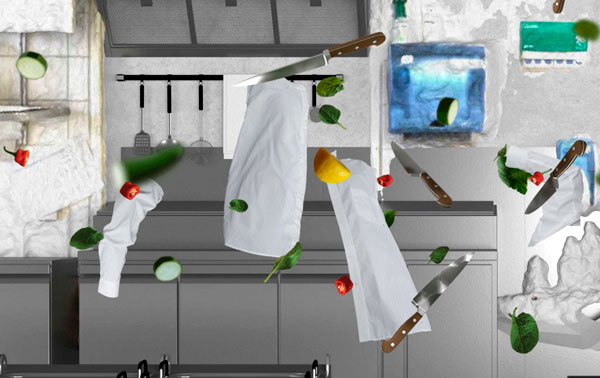
The Drums is an interactive narrative by artist Mark Tholander. By navigating with the scroll bar, the visitor moves through a story of a race track where a catastrophic event took place or takes place. Along the way, one will encounter three songs that mark the dividing lines between the three phases of the narrative ...

April 2020
Choreographic Analytics is a local analytics engine for the ‡ DobbeltDagger website. The work enables users to search through the code abstractions of the site. Each user search generates a pdf that represents text and code extracts of site content, and is stored in a public archive — turning data into metadata ...
August 2018
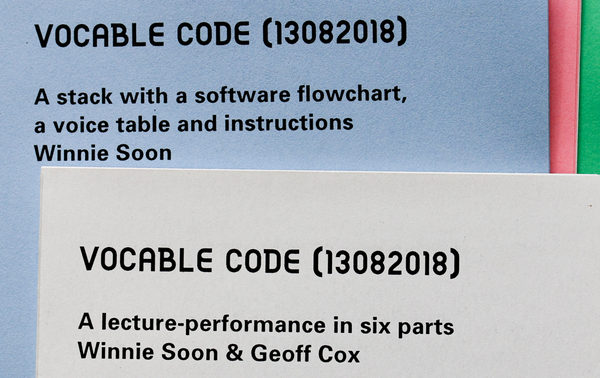
Vocable Code (13082018) is both a work of “software art” (software as artwork, not software to make an artwork) and a “codework” (where the source code and critical writing operate together) produced to embody “queer code” ...

February 2018
Pocket Electronic Symphony #1 is a smartphone symphony for a solo performer. The symphony is written as sound generating software which acts both as score and musical instrument.
November 2016
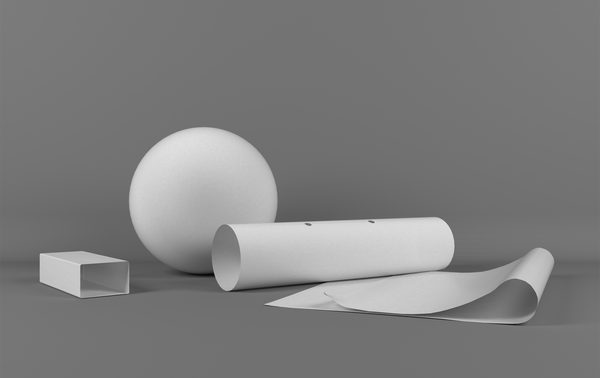
The first issue of ‡ DobbeltDagger is made by artist Jesper Carlsen. In this work, Carlsen renders a tableau of strange objects, 3d modelled to display some basic properties of paper—the fold, the curl, the dog ear—and subsequently mapped with a procedurally generated shader, composed of multiple adjusted noise algorithms ...